Category Archives: Schools

A Brief Guide to Help Finish Your Paper

Imagine, if you will, you have a paper due tomorrow. The paper will not only decide whether you pass the class; the class is contingent upon your graduation. To make matters worse, despite your desperate situation, the paper’s subject only encourages you to procrastinate, and you have convinced yourself that the increasing pressure to finish will help you focus in the two hours before the paper needs to be submitted. Maybe your situation is not this dire, but it may feel that way. Here are some tips to make starting or finishing a little less panic inducing.

  1. As long as it is within the boundaries of your assignment, write the paper that would capture your attention. Keep it academic, but take liberties; tell a story with your thesis; get creative. Think about why you are not connecting to the subject and use your perspective as a way to critically analyze the topic.
  2. Collect your sources ahead of time. Even if you have yet to write anything else, add all the references you intend to include in your paper. Think about how each reference supports your thesis and organize them accordingly throughout what will be your introduction, body, and conclusion. All you would need to do is then combine and support each with your own ideas.
  3. Remember how relieved you were when you last finished a paper? The final product might have even impressed you. It was not a fluke. The same prospects apply this time. Don’t let pressure cloud your impression. You wrote that paper, and you will do it again.

If preparation is less of a problem for you, but you would like to improve your writing, the following titles might interest you. Thanks to the library’s collection of eBooks, you do not even need to leave the comfort of your home to benefit from our selection.

10 Steps to Successful Business Writing, 2nd Edition
The Student Guide to Writing
Seven Steps to Confident Writing
Writing Fantastic Fiction

Find those and other books on any academic subject you need through Ivy Tech Library’s catalog database, IvyCat!

NATIVE AMERICAN HERITAGE MONTH

This November, please join us in celebrating Native American heritage!

Help us tell all Americans’ stories. Of the many Native Americans spotlighted at Ivy Tech Library, the three below are often regarded as exceptional. Stop by this month to collect one of their bookmarks!

Ben Nighthorse Campbell
U.S. Senator

Born in 1933 of a Portuguese immigrant mother and Northern Cheyenne father, Campbell is one of 44 chiefs of the Northern Cheyenne Tribe. He earned a degree in physical education and fine arts after serving in the U.S. Air force from 1951-1953. He served in the Colorado State Legislature before being elected to the U.S. House of Representatives in 1987. He won his bid to become a senator in 1992 and won re-election in 1998.

Henry, C. Ben Nighthorse Campbell: Cheyenne Chief and U.S. Senator. Broomall, PA: Chelsea House, 1994.

Maria Tallchief
Prima Ballerina

From 1947 to 1960, Maria Tallchief performed with the New York City Ballet, gaining prima ballerina status. Later she danced with the American Ballet Theatre, returning to the New York City Ballet in 1963 until her retirement in 1965. But she didn’t retire from dance. She directed the Lyric Opera Ballet of Chicago and founded the Chicago City Ballet in 1981. She was the latter’s artistic director through 1987.

Tallchief, Maria and Kaplan, L. Maria Tallchief: America’s Prima Ballerina. New York: Henry Holt, 1997.

Winona LaDuke
Activist, Author

A member of the Anishinaabeg (Ojibew) tribe, Winona LaDuke’s activism dates back to her teens. At age 18 she spoke before the United Nations about Indian issues. While at Harvard earning an economics degree, she worked with grassroots Native American organizations in various states. After graduation, she moved to the White Earth reservation in northern Minnesota, where she lives today with her family.

LaDuke, Winona. All Our Relations: Native Struggles for Land and Life. Cambridge, Mass.: South End Press, 1999. Ms. Magazine, April/May 2001, pp. 46-53.

Find the following eBooks on Ivy Tech Library’s catalog website, IvyCat!
I am where I come from: Native American college students and graduates tell their life stories

Plundered Skulls and Stolen Spirits: Inside the Fight to Reclaim Native America’s Culture

Indigenous Pop: Native American Music from Jazz to Hip Hop

Follow the official celebration here:

NATIONAL NOVEL WRITING MONTH, Part 2

Whether or not you have committed to the herculean task of scribing 1,667 words daily for a month, you have surely shared the existential dread that comes with an incomplete paper or essay staring back at you.

During NaNoWriMo‘s campaign, accomplished authors are invited to contribute insights or pep talks for fellow writers. The following are some tips that most resonated with me. If you are stuck or could just use a break, these reflections might be helpful to you too.

Jason Reynolds
When you make it to the 3/4 mark of your novel, if you are anything like me, you’re saying one of two things to yourself:

1. I’ve come far enough… to stop. I mean, seriously, I basically wrote a whole novel. I could at least tell people I wrote a whole novel. It’d be a lie. But I wouldn’t feel bad about it. At least not too bad. Because it’s basically whole.

Or 2. I can see the end. I can actually see it. So now I’m going to teleport there. . . .

Anyway, the point is you are ready and willing to cram the next five chapters into the next five sentences.

Don’t do either of these things.

Marie Lu
Just Keep Going.

Write an entire monologue with your main character if you have to. Spend a chapter just exploring the life story of an antagonist. Write a scene with nothing but dialogue between your hero and your villain. Write a steamy love scene between your favorite couple. They don’t have to be scenes in chronological order. They don’t even have to end up in your book. But they will help you to keep going.

Andy Weir
Sometimes, when you’re writing, things come together easily and you can crank out 2,000 words in an afternoon. But other times, it’s torture just to crap out 300 words. In those rough patches, here’s something to keep yourself going: When you read the pages later, you won’t be able to tell which ones you wrote with good flow and which ones were hard. You’re creating the same quality of work in both cases. You might not believe me, but the next time it happens to you, check the results later. You’ll see for yourself. So when you’re having a rough patch, it helps to remember that you’re making progress toward a goal. The words you’re putting down aren’t wasted. They’re just as good as the rest.

November 2019 Children’s Books

Aalfred and Aalbert

By Morag Hood
Call Number: PIC HOO
View in IvyCat

Two aardvarks who lead solitary lives, Aalbert by day and Aalfred by night, sometimes wonder if they would like to be part of a pair.

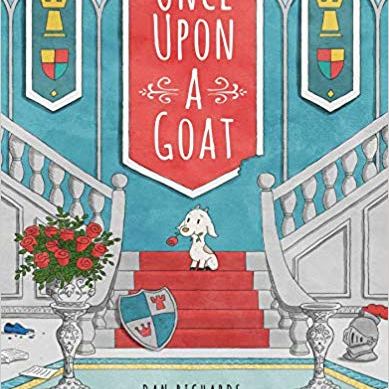
Once Upon a Goat

By Dan Richards
Call Number: PIC RIC
View in IvyCat

When a proper king and queen ask their fairy godmother for a child, they find themselves gifted instead with a baby goat.

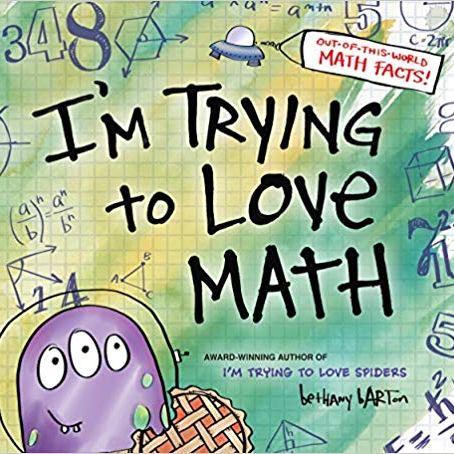
I’m Trying to Love Math

By Bethany Barton
Call Number: QA40.5 .B38 2019
View in IvyCat

In a book for those who dislike mathematics, an alien explains the many areas in which math is used, including baking, music, navigation, and measurements.

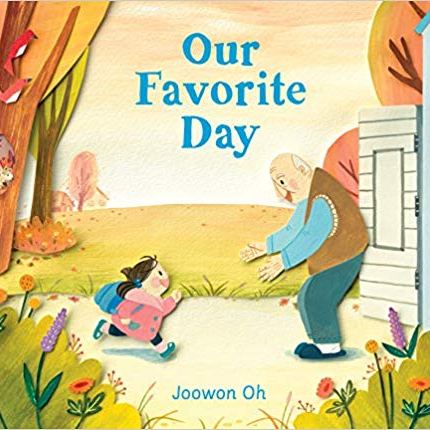
Our Favorite Day

By Joowon Oh
Call Number: PIC OH
View in IvyCat

Follow Papa and his granddaughter as they spend another Thursday together.

Parrots Pugs and Pixie Dust: a book about fashion designer Judith Leiber

By Deborah Blumenthal
Call Number: TT505.L46 B59 2019
View in IvyCat

Trace the life of fashion designer Judith Leiber, who used inspiration from her life to create extraordinary and fantastical handbags.

Horse and Buggy Paint It Out

By Ethan Long
Call Number: PIC LON
View in IvyCat

Horse is all set to paint a mural his way, oblivious to Buggy’s suggestions that a bit of planning might be a good idea. But as the Horse knocks over paint cans and sends brushes flying, he relents and accepts some help from Buggy.

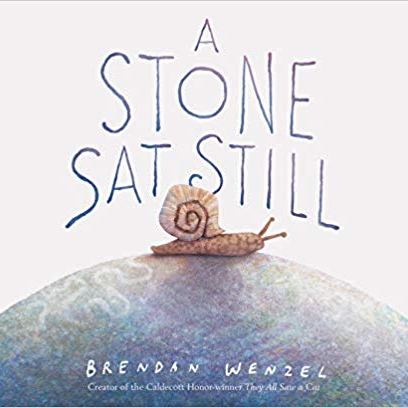
Stone Sat Still

By Brendan Wenzel
Call Number: PIC WEN
View in IvyCat

Told in rhyming verse, a stone is considered from a variety of environmental and emotional perspectives, surrounded by grass, dirt, and water, an unchanging certainty in the world.

National Novel Writing Month

Remember all those moments in which an idea brightened your mood and refreshed your outlook? Did you ever wonder where those ideas go after you let them go?

Nowhere! They have all been waiting in the back of your head, neglected but banded together in solidarity as your most loyal supporters. Well, it is that time of year again, time to rally them together to produce your masterpiece!

This year, join writers of all varieties in sharing your story of ideas during National Novel Writing Month! The goal is the same every year: 50,000 words in 30 days. Start at the harrowing finale; explore a thesis; develop compelling characters; or just practice your prose!

Even if you have not committed to all 50,000 words, it could not be a better time to join the community: https://www.nanowrimo.org/. Expect reminders, writing prompts, tips, and encouragement right here on Ivy Tech Library’s blog throughout the remainder of the month!

October 2019 Children’s Books

A Trip to the Top of the Volcano with Mouse

By Frank Viva
Call Number: PIC VIV
View in IvyCat

A boy and a mouse trek to the top of a volcano, taking in soaring trees, lunar landscapes and snow capped peaks, then return to the ancient city at the bottom.

Ultrabot’s First Playdate

By Josh Schneider
Call Number: PIC SCH
View in IvyCat

When Ultrabot has his first playdate, he is worried and shy but he soon learns that he and Becky have a lot in common.

See Me Play

By Paul Meisel
Call Number: PIC MEI
View in IvyCat

In this easy-to-read book, a playful pack of dogs chase a ball that is caught by a bird, a whale, and a lion.

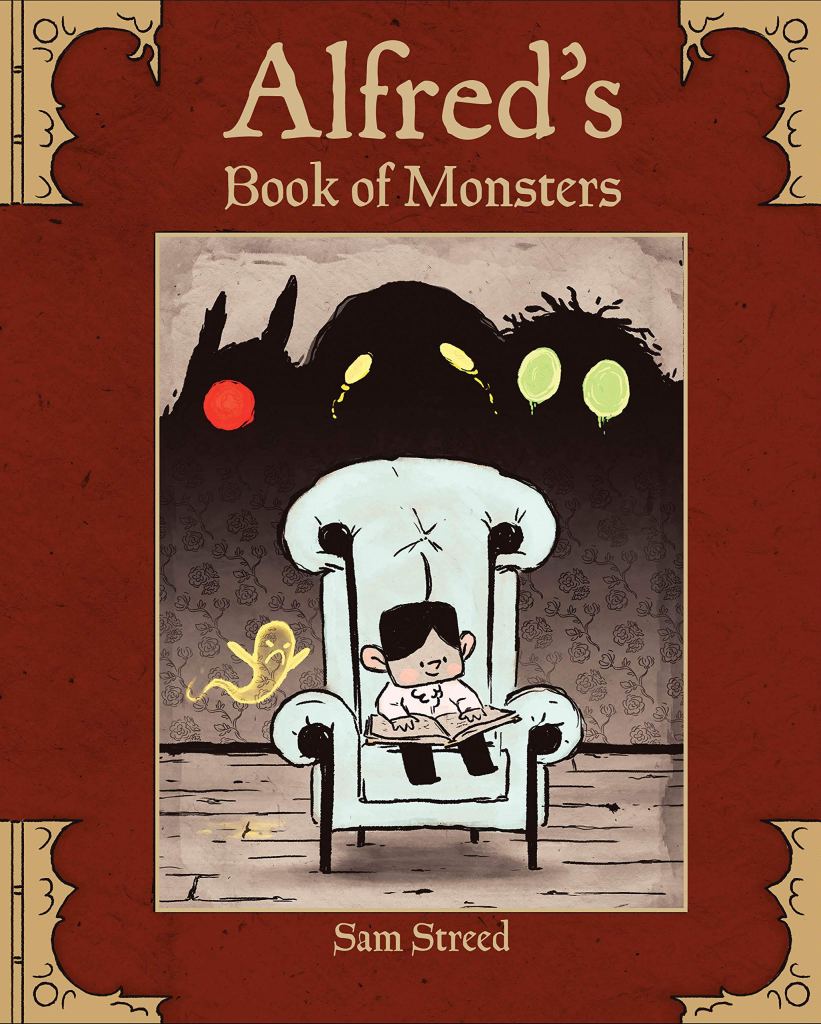
Alfred’s Book of Monsters

By Sam Streed
Call Number: PIC STR
View in IvyCat

Alfred loves the monsters in his book, and he does not like teatime with his aunt–until he decides to invite three of his favorite monsters to join him for tea. Description

Field Trip to the Moon

By John Hare
Call Number: PIC HAR
View in IvyCat

In this wordless picture book, a girl is accidentally left behind on a class trip to the moon.

So Big!

By Mike Wohnoutka
Call Number: PIC WOH / Fall
View in IvyCat

Just when a little bear starts to feel overwhelmed on his first day of school, he meets a new friend, and together they find the courage to overcome their fear.

Spirits of Fort Wayne

How will you be remembered?  This October, the Ivy Tech Library calls upon the departed influential Fort Wayne residents to tell their stories. 

Meet Alice Hamilton, a medical doctor from the early 20th century, whose advocacy for workers’ rights proved crucial in industrial poison legislation. Consider Frances Slocum, known as an 18th century Delaware captive, who later in life leveraged her story to prevent the removal of her adopted community from Indiana. You are likely already familiar with Philo Farnsworth and Carole Lombard, but what about Henry Cannady, who selflessly helped former slaves escape through the Underground Railroad?

Many irreplaceable community members are those whose stories demand reevaluation of norms taken for granted, lives buried by nefarious or apathetic forces.  Whose voice would you resurrect?  Who would you give peace?  Who would you condemn?  Find them all at Ivy Tech Library.

New Early Childhood Education Books

Engaging Learners Through Artmaking: Choice-Based Art Education in the Classroom (TAB)

By Katherine M. Douglas and Diane B. Jaquith
Call Number: N 350 .D6 2018
View in IvyCat

The authors who introduced the concepts of “Teaching for Artistic Behavior” (TAB) and “choice-based art education” have completely revised and updated their original, groundbreaking bestseller that was designed to facilitate independent learning and support student choices in subject matter and media.

More than ever before, teachers are held accountable for student growth and this new edition offers updated recommendations for assessments at multiple levels, the latest strategies and structures for effective instruction, and new resources and helpful tips that provide multiple perspectives and entry points for readers.

The Second Edition of Engaging Learners Through Artmaking will support those who are new to choice-based authentic art education, as well as experienced teachers looking to go deeper with this curriculum. This dynamic, user-friendly resource includes sample lesson plans and demonstrations, assessment criteria, curricular mapping, room planning, photos of classroom set-ups, media exploration, and many other concrete and open-ended strategies for implementing TAB in kindergarten–grade 8.

Overview by Barnes and Noble

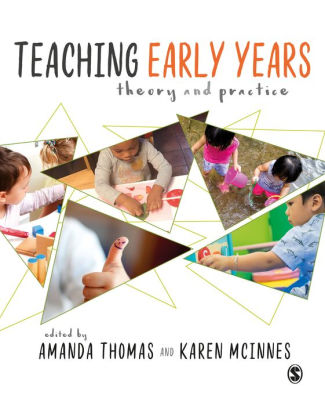
Teaching Early Years: Theory and Practice / Edition 1

By Amanda Thomas and Karen Mcinnes
Call Number: LB 1139.23 .T43 2018
View in IvyCat

This textbook focuses on the main areas of teaching young children, covering the 3-7 years age range that spans the early years and primary phases. The majority of chapters are written by both an academic and practitioner, reflecting a genuine theory and practice approach, and this helps the reader to set theoretical discussion in the context of real practice.

Key themes explored within the book include:

–        Play and playfulness in the curriculum

–        Child development in practice

–        Literacy development and subject pedagogy

–        Creativity and outdoor learning

Packed full of learning features such as case studies, reflective questions and lesson plans, Teaching Early Years is an essential resource for both students and practitioners, and will enhance your knowledge of how young children think and learn.

Overview by Amazon

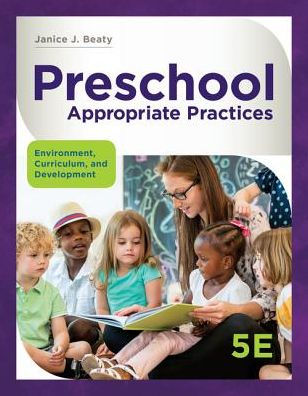
Preschool Appropriate Practices: Environment, Curriculum, and Development / Edition 5

By Janice J. Beaty
Call Number: LB 1140.4 .B43 2019
View in IvyCat

Preschool Appropriate Practices, 5th Edition, helps future and current teachers create self-directed learning environments in their classrooms. Each chapter helps students learn how to set up one type of learning center (e.g., music/dance), including instructions on what to include in the center and how children can use it. The self-directed learning approach encourages children to become involved in their own learning. A second theme emphasizes the teacher’s role as a facilitator, helping readers understand how to:

1) observe children’s developmental levels,

2) provide developmentally appropriate activities,

3) serve as a behavior model, and

4) best support children in their learning.

Learning activities, some of which incorporate children’s picture books, exemplify the NAEYC’s developmentally appropriate practice (DAP). Chapters also incorporate NAEYC accreditation criteria.

Overview by Amazon

September 2019 Children’s Nonfiction

Pollen: Darwin’s 130 Year Prediction

By Darcy Pattison
Call Number: Q180.55.D57 P38 2019
View in IvyCat

How long does it take for science to find an answer to a problem? On January 25, 1862, naturalist Charles Darwin received a box of orchids. One flower, the Madagascar star orchid, fascinated him. It had an 11.5” nectary, the place where flowers make nectar, the sweet liquid that insects and birds eat. How, he wondered, did insects pollinate the orchid?

The Astronaut who Painted the Moon

By Dean Robbins
Call Number: TL789.85.B36 R63 2019
View in IvyCat

As a boy, Alan wanted to fly planes. As a young navy pilot, Alan wished he could paint the view from the cockpit. So he took an art class to learn patterns and forms. But no class could prepare him for the beauty of the lunar surface some 240,000 miles from Earth. In 1969, Alan became the fourth man and first artist on the moon. He took dozens of pictures, but none compared to what he saw through his artistic eyes. When he returned to Earth, he began to paint what he saw. Alan’s paintings allowed humanity to experience what it truly felt like to walk on the moon.

When Sue Found Sue

By Toni Buzzeo
Call Number: QE707.H46 B89 2019
View in IvyCat

From a very young age, Sue Hendrickson was meant to find things: lost coins, perfume bottles, even hidden treasure. Her endless curiosity eventually led to her career in diving and paleontology, where she would continue to find things big and small. In 1990, at a dig in South Dakota, Sue made her biggest discovery to date: Sue the T. rex, the largest and most complete T. rex skeleton ever unearthed. Named in Sue’s honor, Sue the T. rex would be placed on permanent exhibition at the Field Museum of Natural History in Chicago. 

September 2019 Children’s Fiction

Fiction

Flubby will Not Play with That

By J.E. Morris
Call Number: PIC MOR
View in IvyCat

When Kami brings home a bag full of toys for Flubby, the uninterested cat isn’t enthusiastic about the choices. A wind-up mouse? No thanks. A fish hanging from a stick? Yawn. But after Flubby rejects each offering, one unexpected option may be the best fit for Flubby after all.

The Pigeon HAS to go to School

By Mo Willems
Call Number: PIC WIL
View in IvyCat

Why does the Pigeon have to go to school? He already knows everything! And what if he doesn’t like it? What if the teacher doesn’t like him? What if he learns TOO MUCH!?!

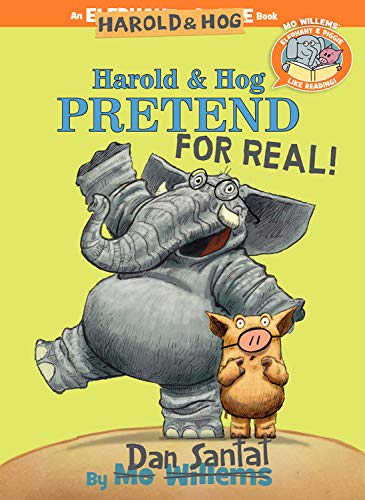
Harold & Hog Pretend for Real!

By [Mo Willems and] Dan Santat
Call Number: PIC SAN
View in IvyCat

Harold and Hog are best friends. But can Harold and Hog’s friendship survive a game of pretending to be Elephant & Piggie?

Vroom!

By Barbara McClintock
Call Number: PIC MCC
View in IvyCat

Join a little girl as she zooms― past fields and forests, up mountains, over rivers, through deserts, home again, and into bed in this playful picture book about the power of imagination

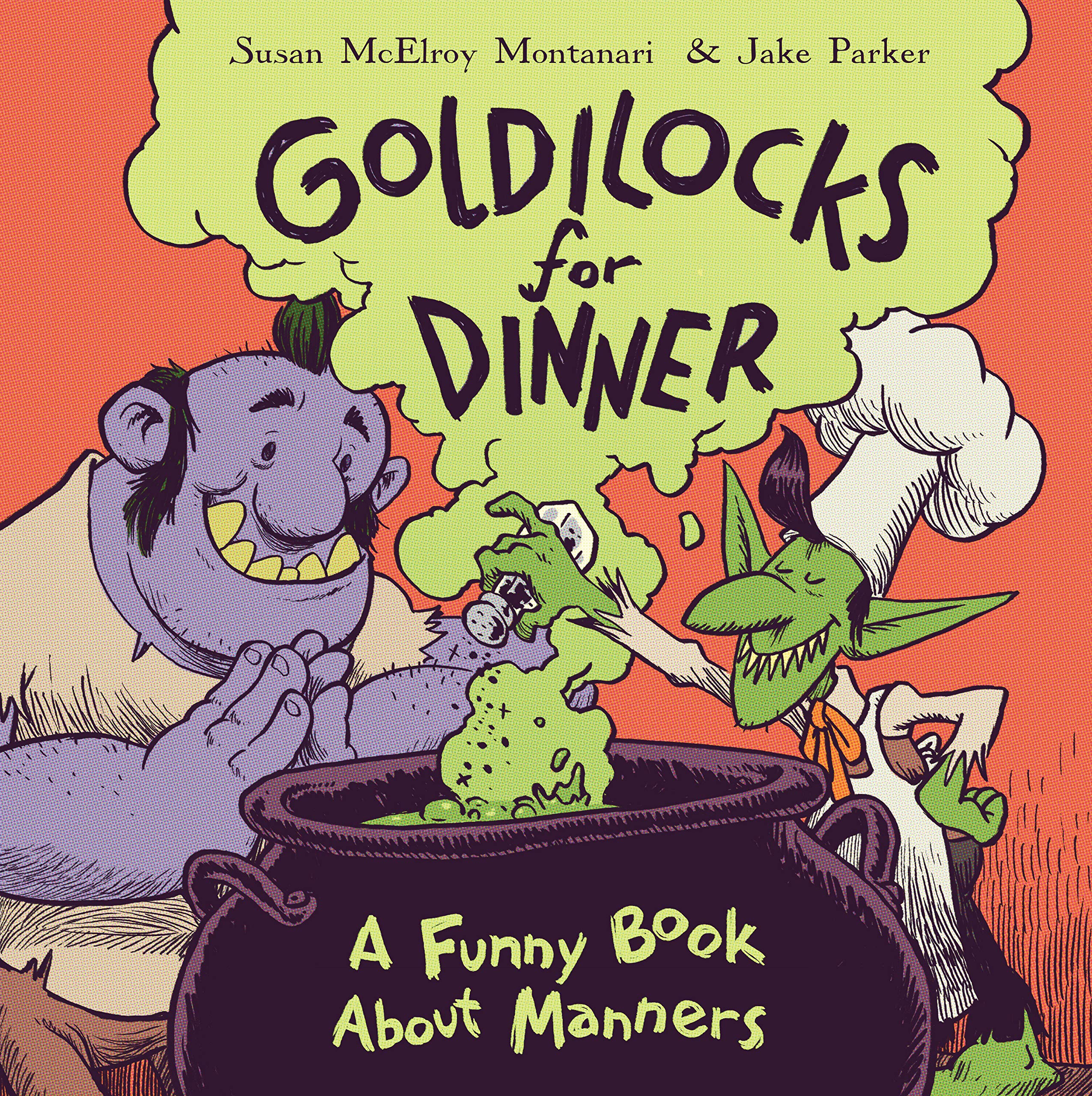
Goldilocks for Dinner: A Funny Book about Manners

By Susan McElroy Montanari
Call Number: PIC MON
View in IvyCat

Troll and Goblin set out to find the rudest child and have him or her for dinner.

Paper Mice

By Megan Wagner Lloyd
Call Number: PIC LLO
View in IvyCat

One night, two newly-made paper mice separately explore a dark house, finding each other along the way and discovering a shared love of adventure.

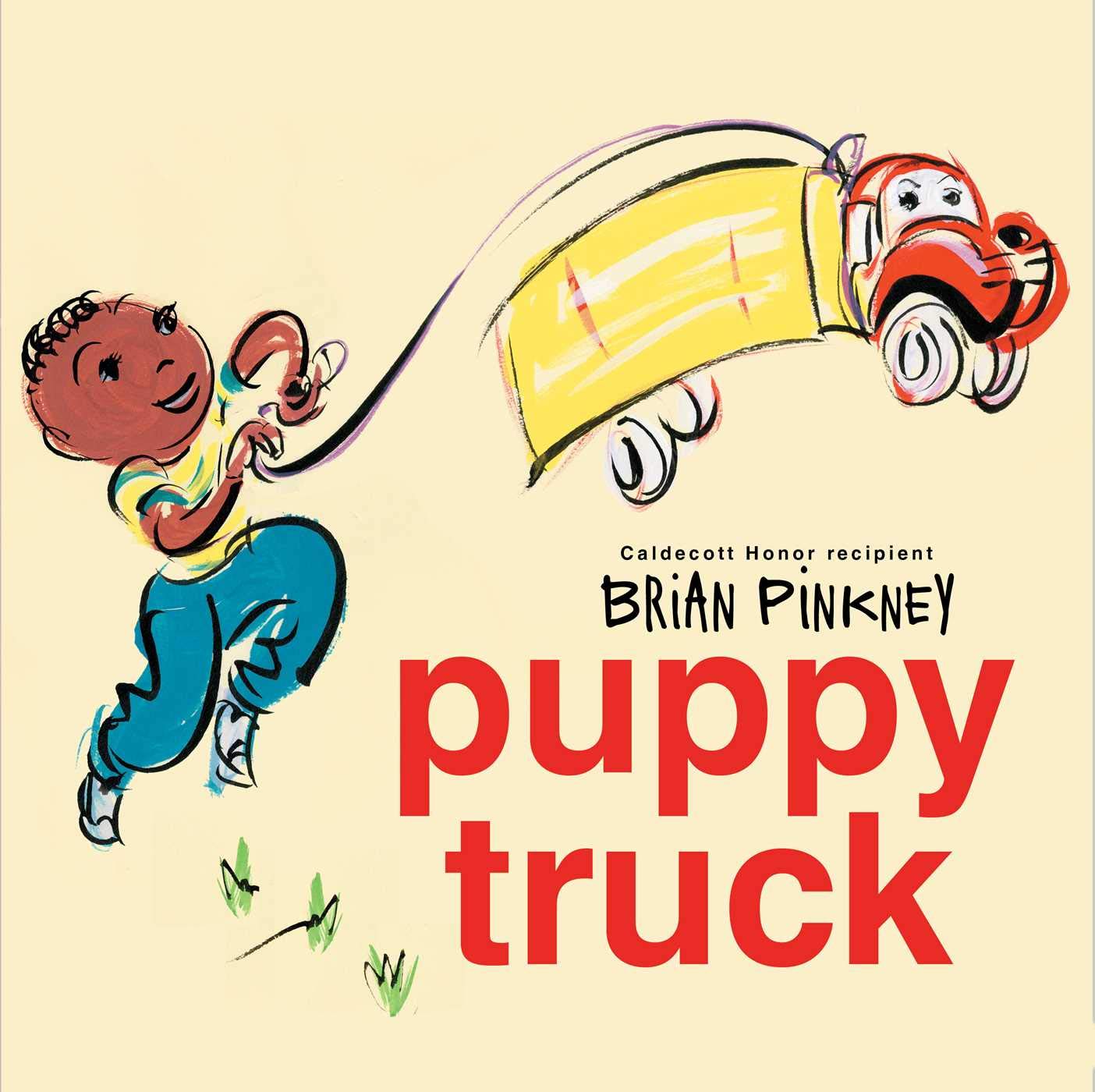
Puppy Truck

By Brian Pinkney
Call Number: PIC PIN
View in IvyCat

Carter gets a truck instead of a much wanted puppy, but he soon discovers his new toy is just as fun and rascally as a pet.

Hide and Seek

By Katie May Green
Call Number: PIC GRE
View in IvyCat

Right at the top of Shiverhawk Hall live children in pictures on the wall. When the moon rises in the night sky, the DeVillechild twins are missing from their frames. The rest of the Shiverhawk children set out across the gardens and into the woods searching for the girls, beginning a game of hide and seek! Will the children be able to find the twins and return home to their paintings before the sun comes up?

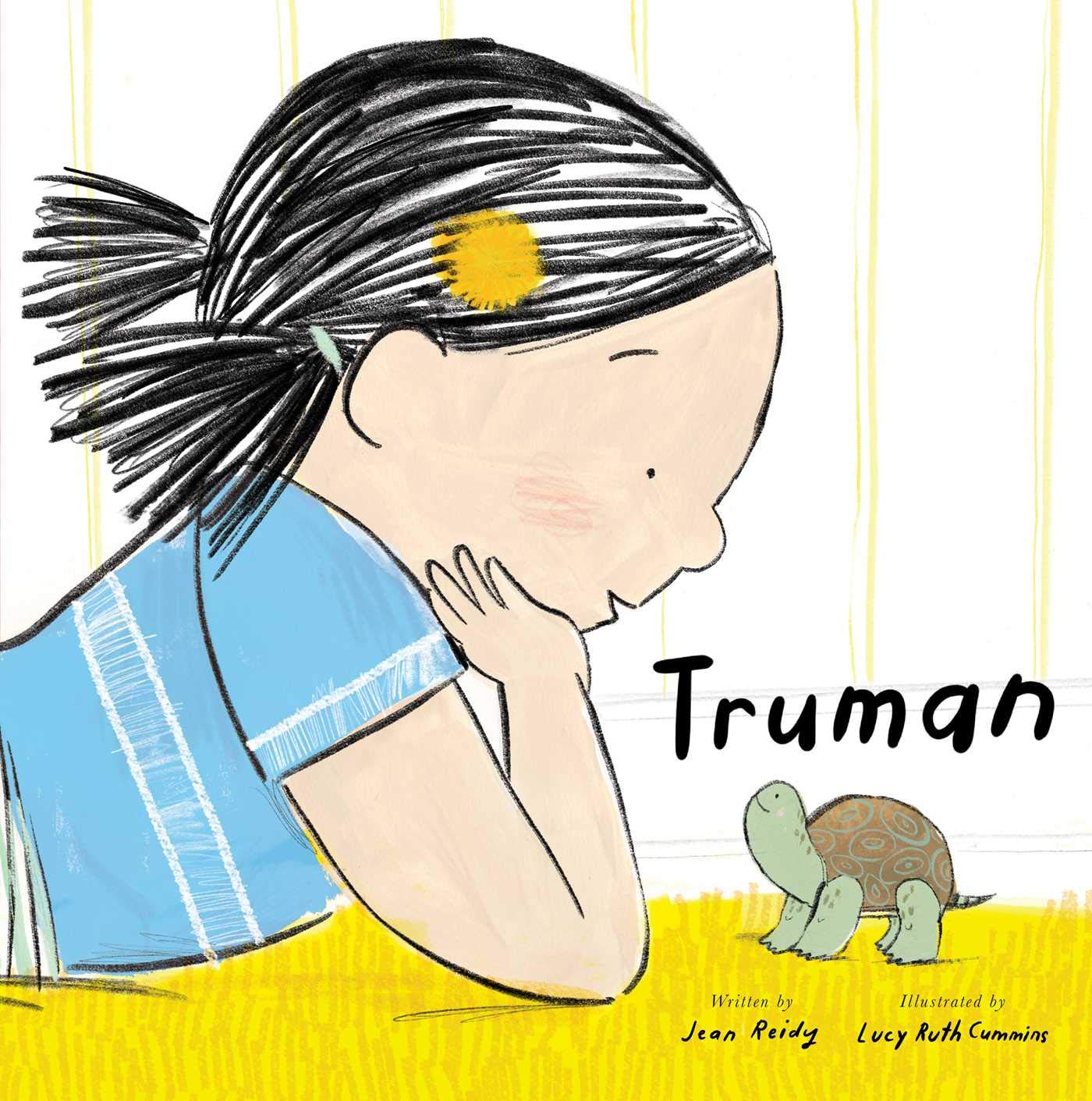
Truman

By Jean Reidy
Call Number: PIC REI
View in IvyCat

He may be slow but Truman the turtle is determined to find his girl Sarah, who has boarded a city bus on her way to preschool.