Fiction
Thank You, Omu!
By Oge Mora
Call Number: PIC MOR
View in IvyCat
Everyone in the neighborhood dreams of a taste of Omu’s delicious stew! One by one, they follow their noses toward the scrumptious scent. And one by one, Omu offers a portion of her meal. Soon the pot is empty. Has she been so generous that she has nothing left for herself?
The Boy Who Went to Mars
By Simon James
Call Number: PIC JAM
View in IvyCat
On the day that Stanley’s mom takes a work trip overnight, Stanley decides to leave planet Earth. But when his spaceship touches down again in the backyard, a young martian crawls out, proclaiming to Stanley’s dad that residents of Mars don’t wash before dinner, eat their vegetables, or brush their teeth. It just so happens that martians tend to act out in school, too. . . . With whimsy and sympathy for a familiar dilemma, Simon James ushers us into the coping fantasies of an imaginative, sensitive kid — and shares the pleasure of his sheepish reunion with a most accepting family.
Kitten and the Night Watchman
By John Sullivan
Call Number: PIC SUL
View in IvyCat
The night watchman hugs his wife and kids and drives to work.
All night he is alone.
Every hour he makes his rounds.
When he is joined by a stray kitten, the night suddenly seems different. Has the kitten found a new home? Kitten and the Night Watchman is inspired by the true story of author John Sullivan meeting a stray cat while working as a night watchman. The cat, Beebe, was John’s companion for seventeen years.
Giraffe Problems
By Jory John
Call Number: PIC JOH
View in IvyCat
Edward the giraffe can’t understand why his neck is as long and bendy and, well, ridiculous as it is. No other animal has a neck this absurd. He’s tried disguising it, dressing it up, strategically hiding it behind bushes–honestly, anything you can think of, he’s tried. Just when he has exhausted his neck-hiding options and is about to throw in the towel, a turtle swoops in (well, ambles in, very slowly) and helps him understand that his neck has a purpose, and looks excellent in a bow tie.
Nonfiction
Tadpole to Frog: National Geographic Readers
By Shira Evans
Call Number: QL 668 .E2 E83 2018
View in IvyCat
Learn all about how animals grow and change in this leveled Co-reader, perfect for parents and kids to read together. Through vibrant, adorable images and expert-vetted text, you’ll glimpse some of the most amazing metamorphoses in the natural world. Kids will see a tadpole transform into a frog, watch a caterpillar become a butterfly, and learn how a nymph becomes a dragonfly.
Cute as an Axolotl: Discovering the World’s Most Adorable Animals
By Jess Keating
Call Number: QL 49 .K347 2018
View in IvyCat
The Internet pretty much runs on cute animal photos, but “cute” is so much more than clickbait kittens and insta-pups. Cute is for feathery-gilled axolotls (pronounced: ax-uh-LOT-ulz), shy pygmy hippos, poisonous blue dragons, and armored pangolins. All of these animals are cute, but they’ve also adapted remarkable ways to survive in their unique environments.
Inky’s Amazing Escape: How A Very Smart Octopus Found His Way Home
By Sy Montgomery
Call Number: QL 430.3 .O2 M65 2018
View in IvyCat
Inky had been at the New Zealand aquarium since 2014 after being taken in by a fisherman who found him at sea. Inky had been getting used to his new environment, but the staff quickly figured out that he had to be kept amused or he would get bored. Then one night in 2016 Inky, about the size of a basketball, decided he’d had enough. He slithered eight feet across the floor and down a drainpipe more than 160 feet long to his home in the sea.

 By Bob Vause

 Title: In a House of Lies
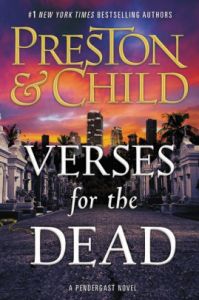 Title: Verses for the Dead
 Title: A Delicate Touch


 Fort Wayne & Warsaw Library Blogs